Physical Characteristics
Giants are big. That remains the one near-universality. No matter how many different species make up their family tree, they are big. Bigness is relative, though, and subject to the giant tendency to take strongly after any non-giant heritage. The children of giant/kobold partners may only be 6 feet tall, whereas the offspring of a giant/dragon mating would be truly enormous.
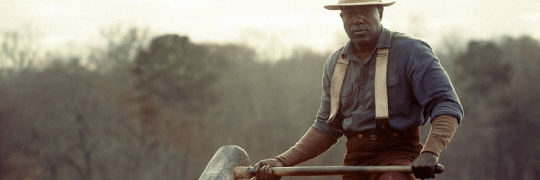
After 3000 years of cross-pollination, every giant bears a patchwork of inherited traits from other species. Streaks of scales or fur, curling horns, spiked tails, elaborate fins and the occasional pair of wings are not uncommon, even in individuals with “pure” giant parentage. The general baseline, if one exists, is a dark-skinned humanoid with immense muscles and thick hair on the scalp and face.
Natural Habitat
Giants appear all over Avonlea, but their homeland is the Velvet Mountains — at least, the regions that the Orders aren’t currently using for farms or outposts. They tend to prefer areas with generous headroom.
Procreation
Contrary to certain pernicious rumors involving smooth mountain crevices, giants are sexually dimorphic and reproduce by mating with another humanoid. Any humanoid can have children with a giant. There are no half-giant children, even in the rare cases where the giant bloodline is not ultimately dominant. Per giant reckoning, species is irrelevant: they are also a full giant. “Giant,” it seems, means something more than just physiology.
Gender and sexuality are as diverse among giants as the rest of the population. There does seem to be a marked inclination towards polyamorous relationship structures, but that may be more cultural than psychological.
Special Abilities
Besides the obvious benefits of their stature (strength, higher body temperature, the ability to grab things from the top shelf), giants bear an innate resilience to magical influence or attack. Some speculate this resistance is why there have been no great giant magi at the academy: their bodies seem designed to repel magic, not wield it.
Weaknesses
Giants require a much greater than normal supply of food, water and air, even relative to their height. They also tend to accumulate the weaknesses of their non-giant relatives.
Culture
The Children of the Velvet Mountains are marked by great diversity, due to both diaspora and the normal faceting of culture that occurs in mountainous regions. They maintain a unique approach to magical practice that, like the rest of Velvet Mountain culture, is thoroughly dismissed by most academics.
Across that swath of diversity, the greatest commonalities are deep interpersonal ties within communities. The difference between family and friend is immaterial in many majority-giant towns. This, like the category of giant, transcends species. Anyone that wishes to be is accepted. Self-isolation is uncommon, but not rejected. Cultural standards state that the community exists to provide what is wanted and nothing more.
There are no giant militaries, or any history of expansionist practices. There are some giant militias, however, especially on the Wasteward side of the Velvet Mountains, where attacks come swiftly and frequently.
History
Everyone knows the giants emerged from the Velvet Mountains 3000 years ago, mere moments after its creation. They have spread throughout every part of Avonlea’s vast territories, but the only concentrated populations exist in the mountains.
Like the Awakened, they are subject to hate overtly based on their apparent connection to the Fall (that both groups also tend to peacefully live within and without mainstream power structures, and therefore pose an existential threat to standard hegemony, is rarely brought up). Many things are said about their proximity to the Wastes and the resemblance they allegedly bear to the Wasted. Many other things are done based on what is said. Also like the Awakened, some giants have not always turned the other cheek, as many a battered member of the Orders will tell you.